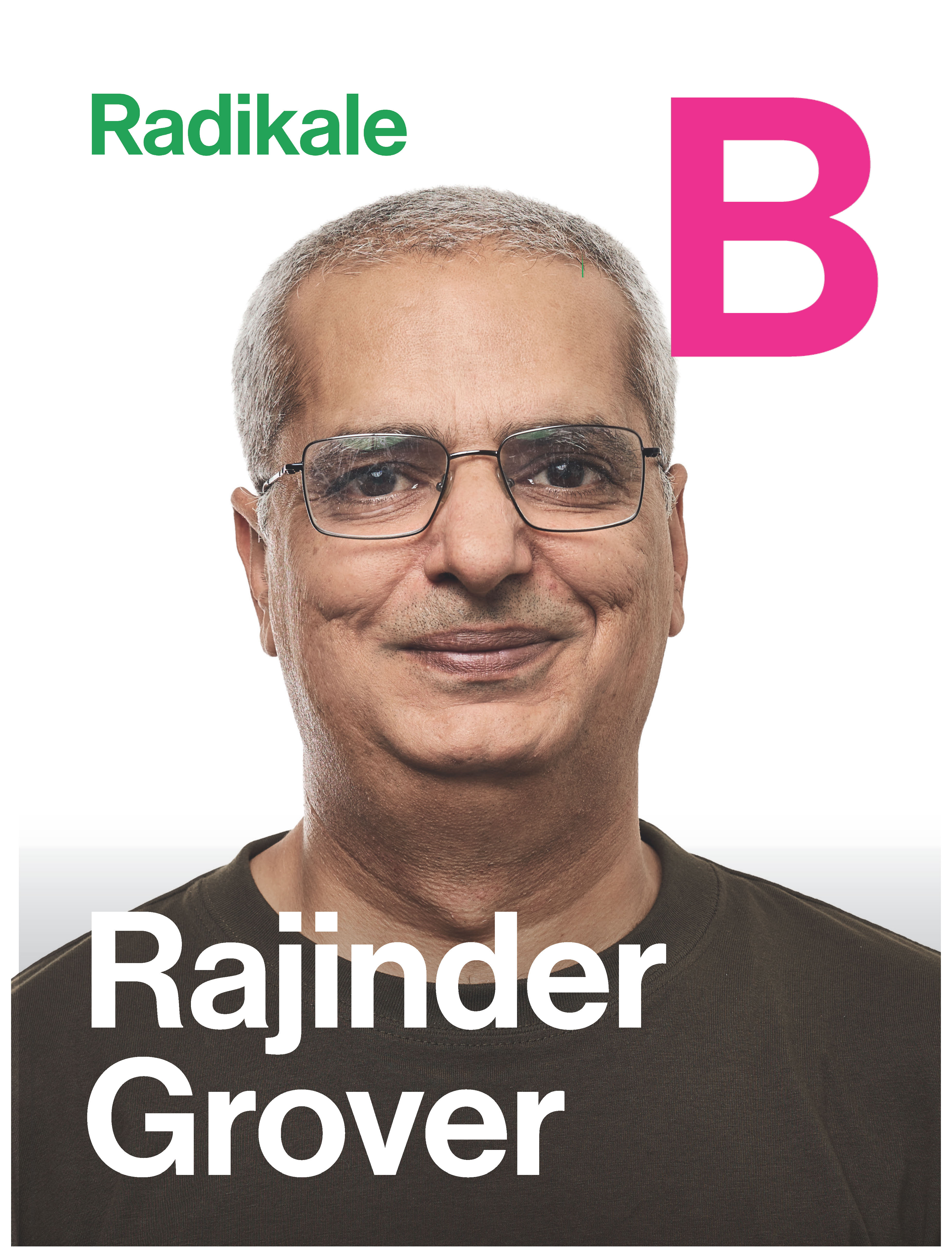
I grew up in India and moved to Denmark in 2014 — so I know exactly what it feels like to start over in a new country, trying to understand not just the language but also the unwritten rules of daily life.
Living abroad taught me that inclusion is not about systems — it’s about people. In Kolding, I’ve used that experience to build bridges through real connections: helping newcomers feel seen, understood, and confident that they belong.
Working every day with internationals, locals, and the municipality, I’ve learned how small gestures — a bit of help, a smile, a clear explanation — can completely change how someone feels about living here.
If I could design a welcome package for new internationals, it would be more than just leaflets.
It would include:
- A simple “first steps” guide to everyday life — how to register, find a doctor, get NemID, or understand your first Danish letter.
- A personal invitation to a “Welcome to Kolding” event at the language school, where people can meet others who’ve already gone through the same journey.
- A list of local networks and groups — not just official ones, but real communities: sports clubs, social gatherings, and cultural events.
- And most importantly, a clear message: You’re not alone — Kolding wants you here.
Denmark has many lovely traditions, but I’d start by telling a new friend about how Danes truly enjoy being together — not only on holidays but in everyday life.
The fun side of Danish culture is everywhere: in small things like community grills, bowling nights, dancing at summer festivals, yoga in the park, or a simple beach gathering.
Events like Fastelavn are charming, yes — but so are spontaneous picnics, local walks, or a Friday beer after work.
What I love most is that even if you don’t know the language, you can still join, smile, and be part of it.
The best way to involve internationals is not by creating more “special” projects — but by opening existing ones.
Many internationals hesitate because they don’t know how to join or feel unsure about their Danish.
We can help by making invitations personal, using simple language, and making sure every club has a person who can help newcomers feel at ease in the beginning.
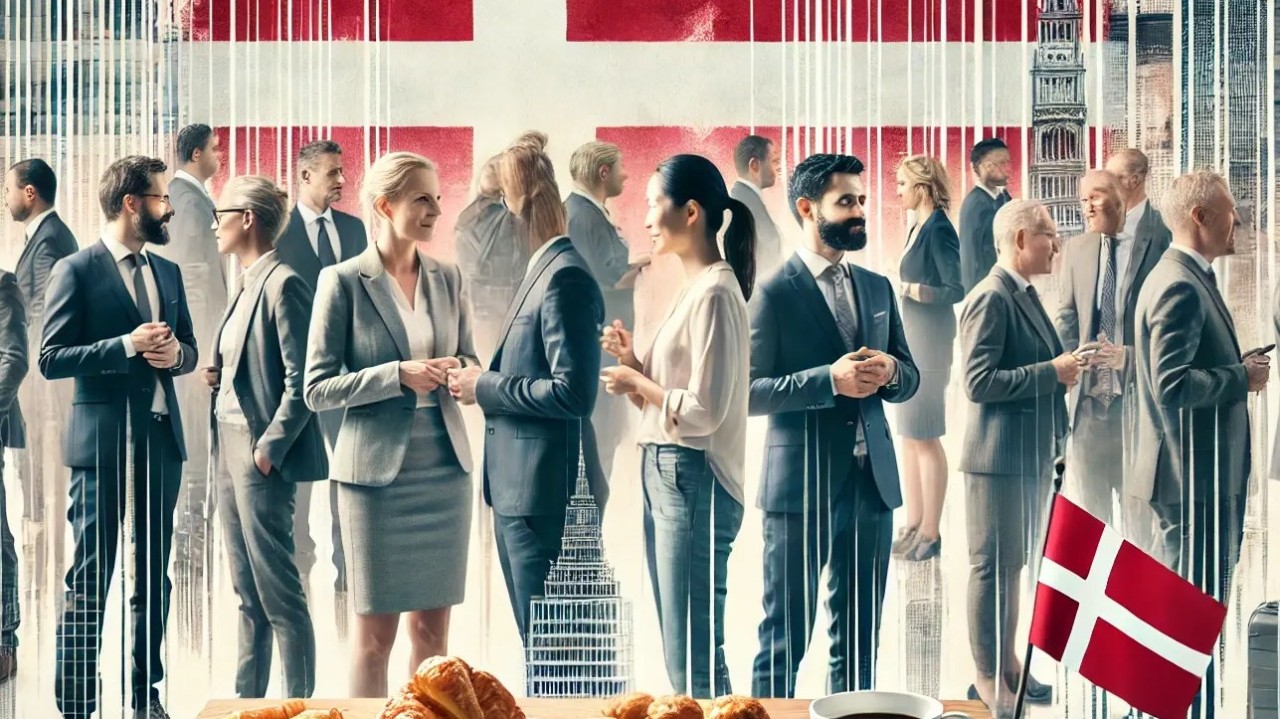
We also need more events where Danes and internationals meet as equals — not as hosts and guests.
When people play, sing, cook, or laugh together, barriers disappear. That’s how real communities grow — not from policies, but from people.
Kolding can learn a lot from cities that mix tradition with openness.
For me, one key area is local participation — how other countries give citizens a real say in shaping their community.
We could, for example, involve residents more directly in planning cultural projects, green spaces, or newcomer initiatives.
When people help create something, they also take care of it.
That’s the kind of future I’d like to see — a Kolding where everyone, no matter where they come from, feels they have a small piece of ownership in the city’s story.