There are people in Kolding today who plan their lives around a bus ticket. Not because they want to — but because they have to.
A nurse in Bramdrupdam starts her shift at Sygehus Lillebælt at 6:45, but she takes the 5:58 bus because the next one arrives too late. A pensioner in Sdr. Stenderup says no to joining friends at the community centre because a return ticket to Kolding now costs more than coffee and cake combined. A student from Vonsild bikes 7 kilometres each way to Kolding Gymnasium, not because he enjoys battling rain and wind, but because a monthly bus pass simply costs too much.
This is Denmark — a country proud of equality and mobility — yet, for many, public transport has quietly become the line between who can participate in society and who stays at home.
And that is why free buses in Kolding are not a dream. They are a decision.
Fredericia Has Already Done What We Only Talk About
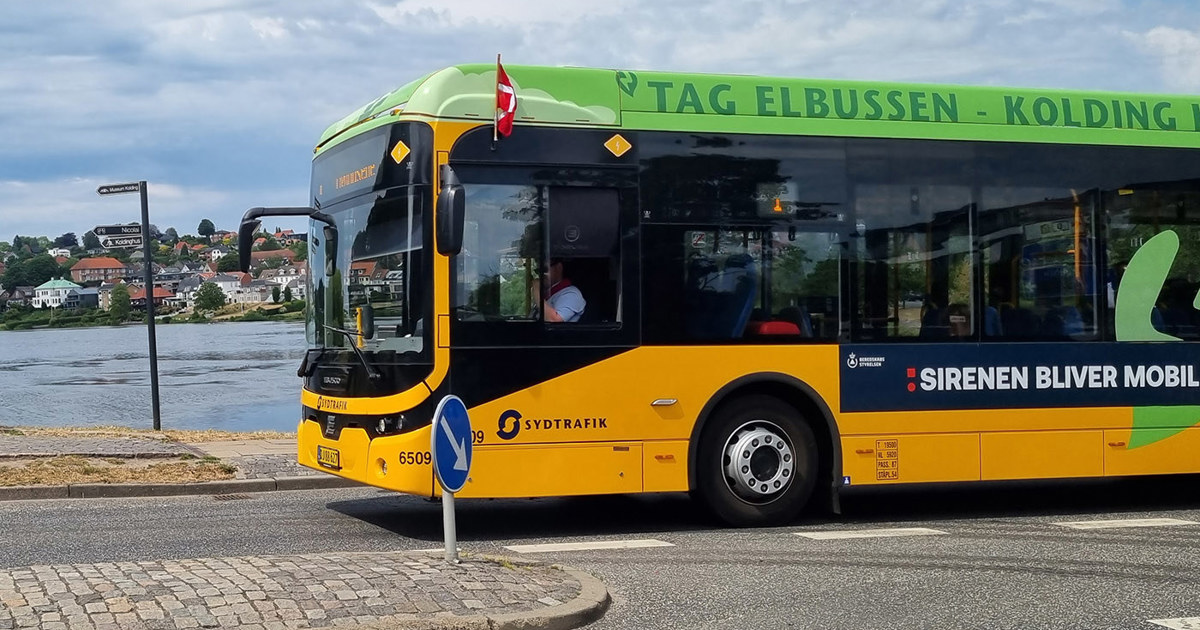
Just 23 minutes away, Fredericia has made all city buses free for everyone starting July 2025. No tickets. No zones. No fines. You step on, nod to the driver and sit down. It is not an idea. It is not a campaign promise. It is a real political decision, financed and implemented, and Sydtrafik has already installed passenger counters to measure the impact.
Holstebro is testing free buses for two years. Herning extended its free local bus scheme because it worked. Svendborg offers free buses on weekends and will expand to rural routes in 2026. In Odense, when Saturday buses were made free, passenger numbers rose significantly.
This is not Tallinn or Luxembourg. This is Denmark.
So why not Kolding?
This Is About People, Not Just Transport
Free buses are not only about saving 24 kroner. They are about dignity, opportunity and independence. They mean that parents in Seest can say yes when their children want to play football after school — even if the parents don’t have a car. They mean that apprentices working in Taulov’s warehouses or studying at IBC or SDU don’t have to choose between paying for transport or paying for lunch.
They mean that elderly people in Harte, Sjølund or Vester Nebel do not feel isolated at the end of every month when pension money is tight and ticket prices have climbed again.
Free buses don’t solve every problem. But they solve one of the most fundamental ones — access.
Benefits to Kolding’s Everyday Life, Economy and Environment
Free public transport makes daily life easier and more affordable, especially for families, students, pensioners and shift workers. It brings more people into the city centre — to shops, cultural events, cafés and libraries. Small businesses benefit from foot traffic instead of empty streets and empty bus stops.
Students travelling to Kolding Gymnasium, IBC, Designskolen or evening jobs in Taulov or Fredericia face fewer barriers to education and work. Attendance improves when transport is no longer something you need to calculate every morning.
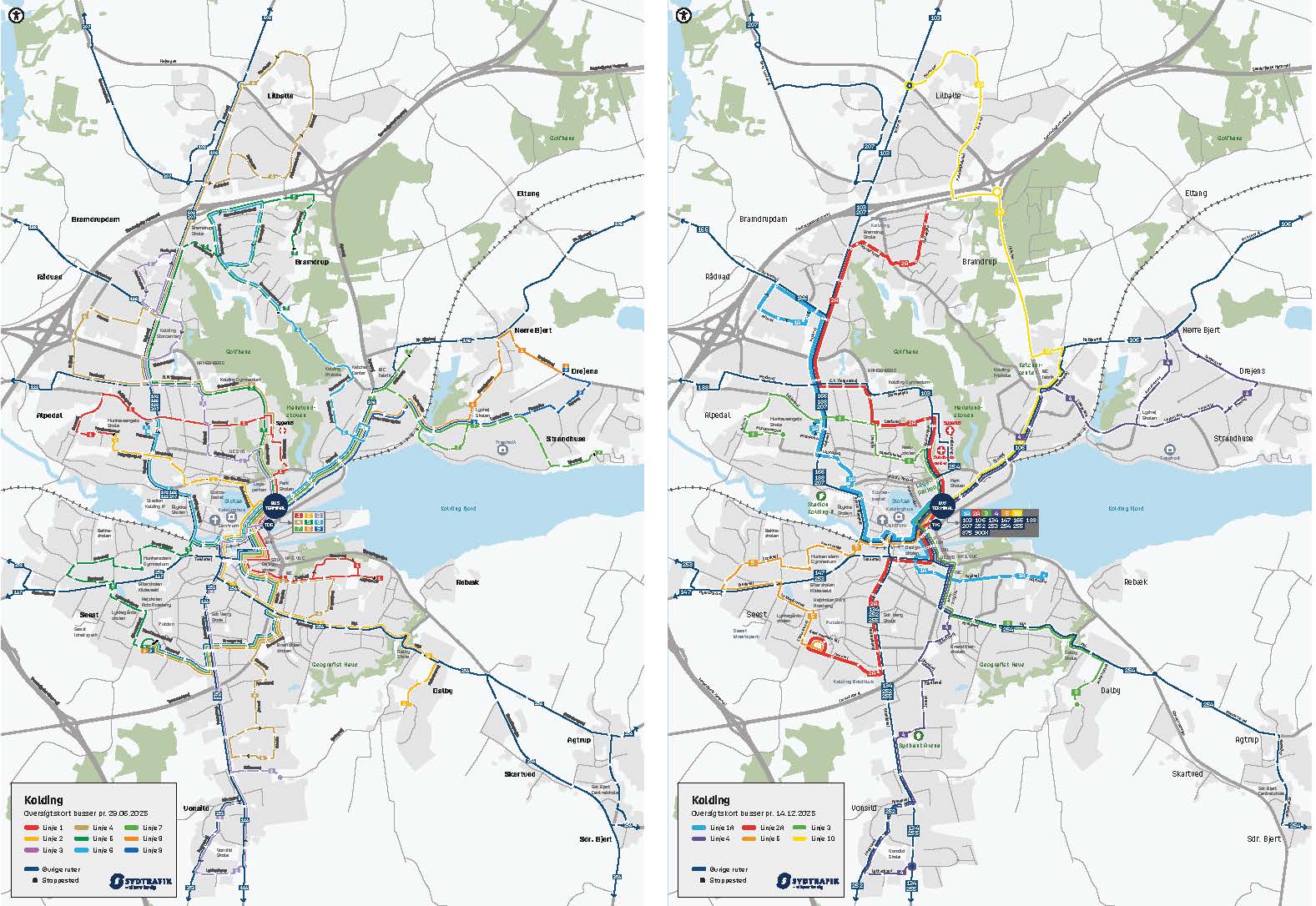
Environmentally, a full bus replaces 30–40 cars. That means cleaner air around our schools, fewer traffic jams at Vejlevej and Jens Holms Vej, less noise and safer streets for children. But we must be honest: free tickets alone will not make people leave their cars. They will only do it if the bus is also frequent, reliable and easier than driving. Free fares must go hand in hand with better routes, better timetables and smarter bus priority at traffic lights.
Why It Matters for Those Who Need It Most
For a single mother, a bus pass is not a small cost — it’s a decision between groceries, electricity or Christmas shopping.
For a pensioner, a free bus can mean one more morning at the library, one more swim, one more conversation instead of another day alone at home.
For newcomers and international students, transport can be confusing, expensive and isolating. A free, simple city network helps them work, study, volunteer and become part of the community faster.
Free buses help employers too. When workers can get to shifts on time — whether at the hospital, warehouses in Taulov, or shops in Kolding Storcenter — businesses feel it. Fewer delays. Less turnover. Less stress.
“But Who Will Pay?”
We already do.
Every year, Kolding spends millions maintaining roads, repairing asphalt, building new parking spaces and dealing with pollution and noise. We also pay for the social costs when young people skip education because they can’t get to school, and when loneliness increases because older people can’t afford to travel.
Holstebro’s free bus experiment costs about 500,000 kroner a year in lost ticket income. One kilometre of new road can cost 10–20 million kroner. In 2024 alone, Kolding Kommune spent over 110 million kroner subsidising buses — money already going into public transport, yet ticket prices still exclude many from using it.
So the real question is not whether free buses cost money. It is whether we want our money to go into empty seats or into people actually using the service.
A Smarter, More Responsible Way Forward
Kolding does not need to promise everything at once. We can start like Fredericia did — locally, realistically and with data.
Begin with a pilot project: free city buses after 6 pm on weekdays and all day on Saturdays. Keep it within municipality borders. Keep regional routes unchanged. Install passenger counters. Publish data every three months — passenger numbers, costs, impact on carbon emissions, city-centre activity and user satisfaction.
If the pilot works — if more people ride the bus, if city life grows, if the streets become a bit quieter — then we expand. If it does not, we stop. No debt. No chaos. Just learning.
Climate — Without Preaching
People do not stop driving because politicians tell them to. They stop when the other option is easier, cheaper and less stressful.
A free bus that arrives on time is more persuasive than any climate speech. A warm bus on a dark winter morning is more convincing than a poster. This is how change happens — not through guilt, but through convenience.
Kolding Must Stop Waiting for Others to Go First
We call ourselves a green, innovative city. But while others act, we debate ticket zones and price increases.
Fredericia has already made the decision. Holstebro is trying. Herning is expanding. Svendborg is halfway there. Odense tried and saw results. If they can do it — with fewer resources than Kolding — then why are we still telling people to “drive less” while making buses more expensive?
My Commitment
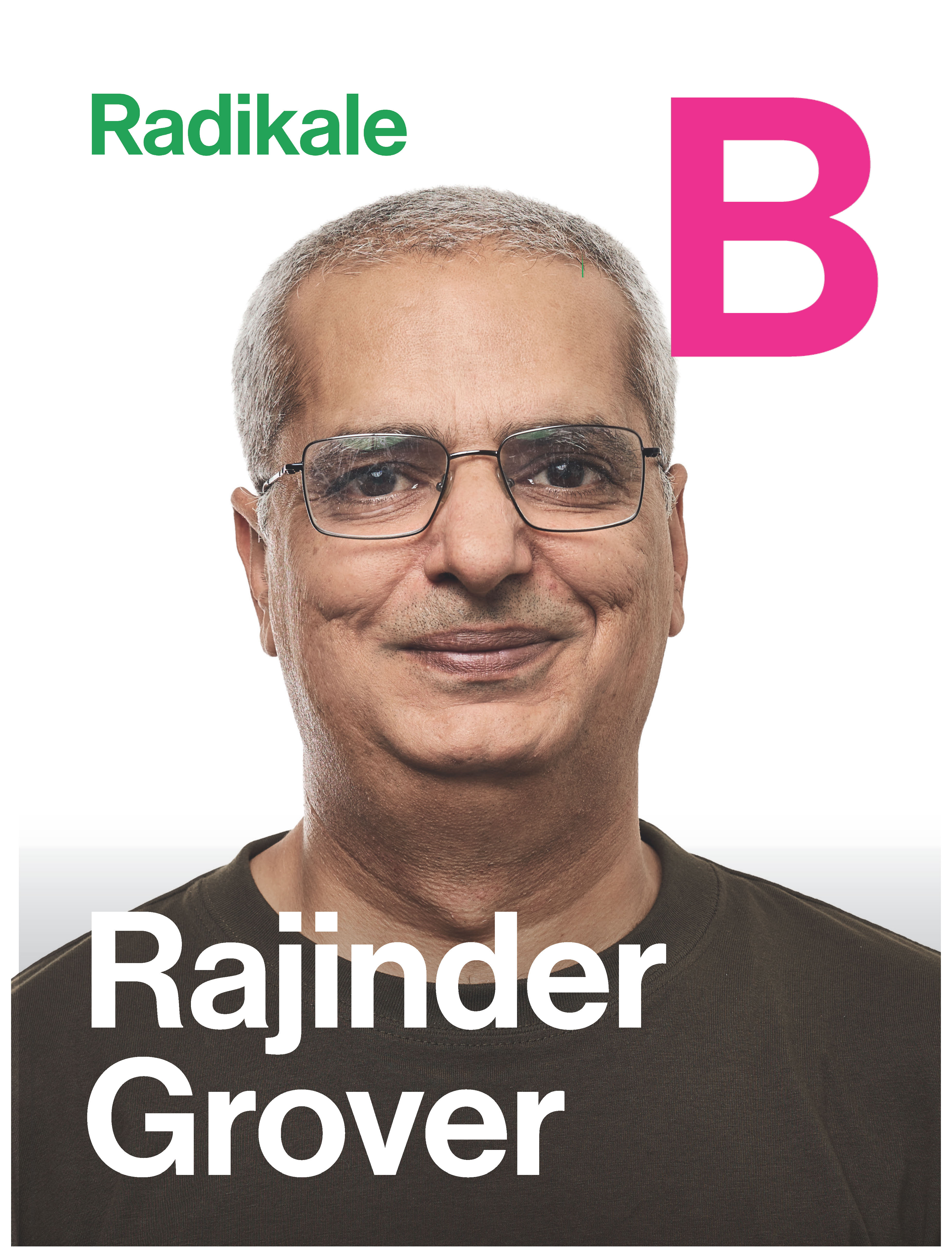
If I earn a seat in the Kolding Municipal Council, I will fight to make this happen. Not as a slogan. Not as a dream. But as a responsible, data-driven pilot that puts people first.
I will work for a system built with Sydtrafik — not against it. A system that is time-limited, measured, and openly evaluated. A system that protects service quality and prioritises those who need it most: students, young apprentices, shift workers, pensioners and families.
Free buses in Kolding are not a dream. They are a necessity — and a decision has to be made.
A decision that elected politicians must make — not tomorrow, but yesterday.
And I am ready to fight for it.