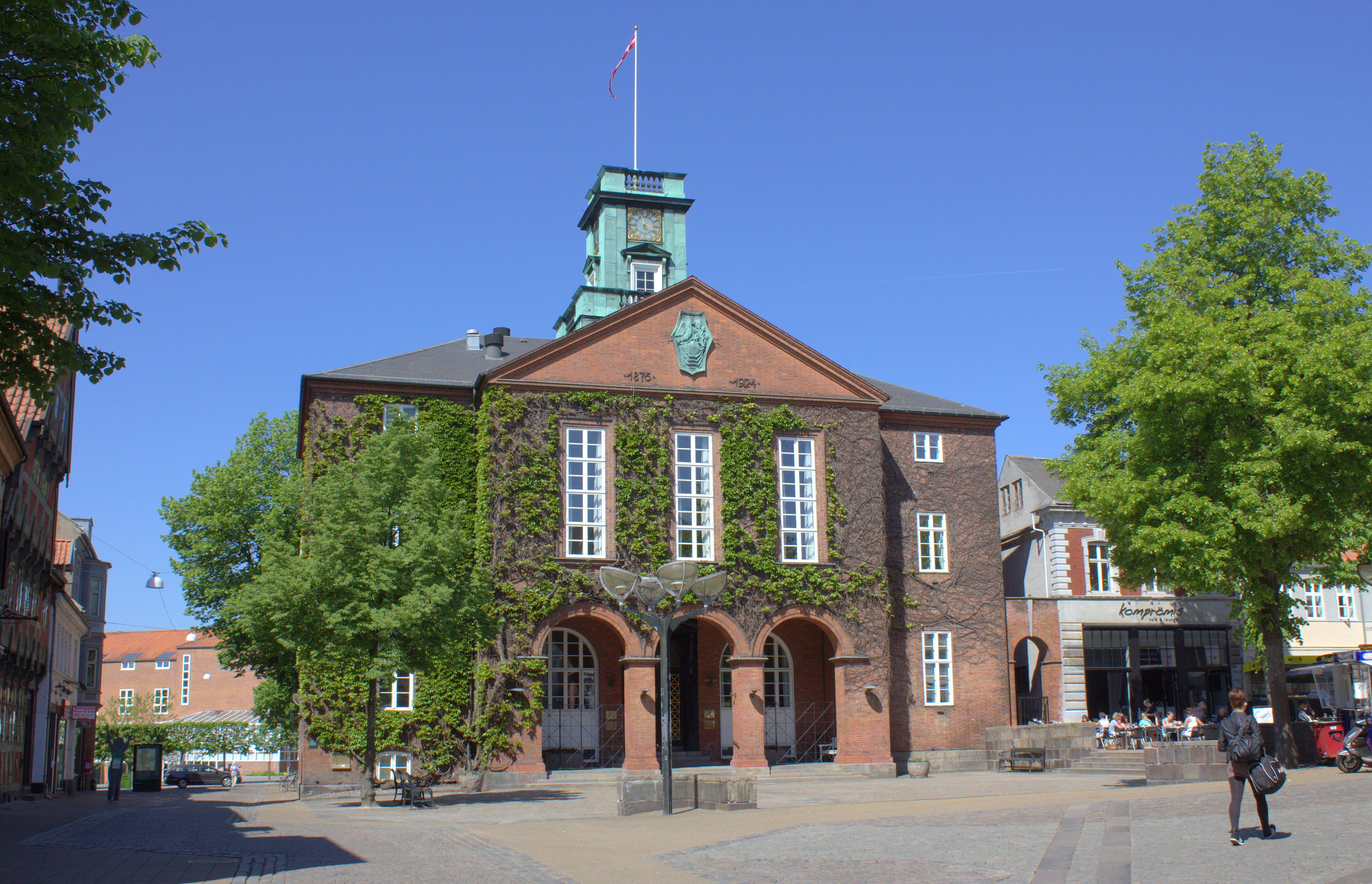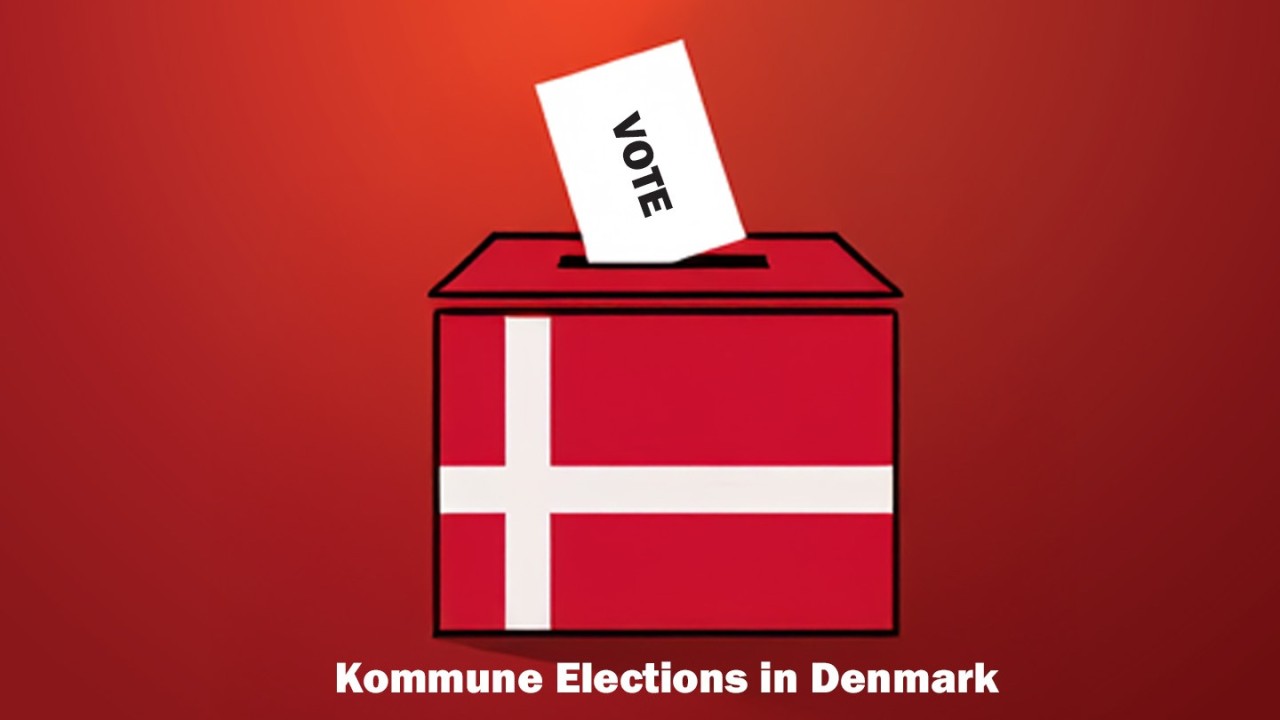
Denmark, known for its social welfare system, strong democratic institutions, and high quality of life, operates on the principle of inclusivity when it comes to its local governance. One of the most significant democratic events in Denmark is the kommune (municipal) elections. These elections, held every four years, determine the composition of local councils responsible for governing Denmark's 98 municipalities. For immigrants, these elections hold substantial implications, as municipalities handle matters that directly affect their day-to-day lives.
Despite the importance of these elections, voter turnout among immigrants remains relatively low. It is crucial for all eligible immigrants to actively participate in Denmark's kommune elections. Voting offers numerous direct and indirect benefits, fosters civic responsibility, and contributes to stronger local governance through immigrant engagement. Kommune elections significantly influence the lives of foreigners, making their participation essential. Voting is more than just a right; it serves as a powerful catalyst for empowerment and integration, strengthening their role in local governance and community building.
Understanding Kommune Elections and Their Scope
Municipal councils manage a broad spectrum of public services, including:
- Education: Overseeing schools and adult education programs.
- Healthcare: Managing local health services and facilities.
- Housing: Regulating housing policies and development projects.
- Integration Initiatives: Implementing programs to support immigrant integration.
These councils also handle public infrastructure, social welfare programs, and local economic development, ensuring that residents' needs are effectively met.
For immigrants, these local decisions are especially significant. Many immigrants rely on municipal services for language classes, job integration programs, and social assistance during their initial years in Denmark. Furthermore, the cultural and social environment of a municipality is often shaped by the policies of its local council. By participating in kommune elections, immigrants can influence decisions that impact their quality of life, integration opportunities, and sense of belonging.
Why Immigrants Should Vote
1. Exercising a Democratic Right
One of the most compelling reasons for immigrants to vote is the opportunity to exercise a democratic right. In Denmark, non-citizens from EU countries and Nordic nations, as well as other immigrants who have resided in the country for at least four years, are eligible to vote in kommune elections. This inclusivity reflects Denmark’s commitment to involving all residents in local governance.
By voting, immigrants assert their presence and importance within the community. It sends a message that they are active participants in the society they live in, contributing to its democratic processes. Abstaining from voting, on the other hand, risks marginalization and diminishes the collective voice of immigrants in shaping local policies.
2. Shaping Policies That Matter
Municipal councils influence many aspects of life that directly affect immigrants, such as housing availability, public transportation, education for children, and language and integration programs. For instance, an immigrant parent’s decision to vote could help elect representatives who prioritize funding for bilingual education or improved childcare facilities.
Moreover, immigrants often face unique challenges, such as discrimination, housing shortages, and unemployment. By voting, immigrants can support candidates who address these challenges, ensuring that their needs are prioritized in policy-making.
3. Enhancing Integration
Voting is not merely a political act; it is a step toward integration. Participating in kommune elections enables immigrants to engage with Danish society and contribute to its development. This engagement fosters a sense of belonging and empowers immigrants to take ownership of their communities.
When immigrants vote, they become stakeholders in the society they live in. This active involvement helps bridge cultural gaps, dispel stereotypes, and build mutual trust between immigrants and native Danes. Furthermore, it signals to the broader society that immigrants are invested in Denmark’s future.
4. Building Political Representation
Low voter turnout among immigrants often leads to underrepresentation in municipal councils. This lack of representation can result in policies that overlook or inadequately address immigrant concerns. Conversely, higher voter participation can pave the way for more diverse councils that reflect the demographic realities of municipalities.
When immigrants support candidates who understand their experiences and advocate for their needs, they create a platform for more inclusive governance. Over time, this increased representation can lead to systemic changes that benefit not only immigrants but the community as a whole.
Advantages of Immigrant Participation in Kommune Elections
A. Strengthening Local Democracy
Democracy thrives on inclusivity and participation. When immigrants vote, they contribute to a more representative democracy that accounts for the perspectives and needs of all residents. This inclusivity strengthens the legitimacy of municipal councils and enhances the quality of governance.
Additionally, immigrant participation can invigorate local politics by introducing new ideas, perspectives, and priorities. This diversity enriches policy debates and encourages innovative solutions to communal challenges.
B. Addressing Shared Challenges
Many issues tackled by municipal councils, such as affordable housing, education, and healthcare, affect both immigrants and native Danes. By participating in elections, immigrants can form alliances with other community members to advocate for shared goals. This collaboration fosters solidarity and reduces social divisions.
C. Empowering Future Generations
When immigrants vote, they set an example for their children and future generations. This act of civic engagement instills democratic values and encourages younger generations to actively participate in shaping their communities. It also counters narratives that portray immigrants as disengaged or apathetic.
D. Facilitating Policy Change
Voting is a powerful tool for driving change. Municipal councils are often the first point of contact for residents seeking solutions to local problems. When immigrants vote in significant numbers, they can influence the priorities of elected officials, ensuring that issues like cultural inclusion, anti-discrimination measures, and employment support are addressed.
Overcoming Barriers to Immigrant Participation
Despite the advantages of voting, several barriers hinder immigrant participation in kommune elections. These include a lack of awareness about voting rights, limited understanding of the political system, language barriers, and feelings of alienation.
1. Raising Awareness
Many immigrants are unaware of their eligibility to vote in kommune elections. Municipalities and immigrant organizations must work together to disseminate information about voting rights and procedures. This outreach can include multilingual campaigns, informational workshops, and community events.
2. Political Education
Understanding the Danish political system is crucial for effective participation. Municipalities can organize seminars and online resources that explain the roles and responsibilities of municipal councils, the voting process, and the impact of local governance on residents’ lives.
3. Addressing Language Barriers
Language barriers often discourage immigrants from engaging with the political process. To overcome this, municipalities should provide election materials, candidate profiles, and informational resources in multiple languages. Additionally, language classes for immigrants can incorporate lessons on civic engagement and democratic participation.
4. Building Trust and Belonging
Feelings of alienation can deter immigrants from voting. To counter this, local governments and community organizations must foster a welcoming environment that values diversity. Initiatives that celebrate cultural heritage, promote intercultural dialogue, and encourage immigrant participation in community activities can build trust and a sense of belonging.
A Call to Action: Immigrants Must Vote
The kommune elections in Denmark present a unique opportunity for immigrants to shape their communities and contribute to the democratic process. By voting, immigrants can influence policies that affect their lives, enhance their integration, and strengthen local democracy.
It is imperative for immigrants to recognize the power of their vote and the responsibility that comes with it. Voting is not merely a right; it is a means of asserting agency, demanding representation, and driving change. Moreover, it is a way to honor the democratic values that underpin Danish society and affirm one’s commitment to building a better future.
Municipalities, immigrant organizations, and community leaders must collaborate to ensure that all eligible immigrants are informed, empowered, and motivated to vote. Together, they can create a more inclusive democracy that reflects the diverse realities of Denmark’s municipalities.
In conclusion, kommune elections are a vital platform for immigrants to voice their concerns, advocate for their needs, and contribute to the communities they call home. By participating in these elections, immigrants not only enhance their own lives but also strengthen the democratic fabric of Danish society. It is time for all immigrants to embrace their democratic rights and play an active role in shaping the future of Denmark.